Fascia Replacement or Capping: Which Work Are You Being Quoted For?
Replacement or Capping: A fresh finish starts with what’s underneath.
Fascia Replacement or Capping: Which Work Are You Being Quoted For?
If you are comparing fascia quotations, check whether they describe full replacement or capping. One removes the existing boards; the other covers suitable, sound backing.
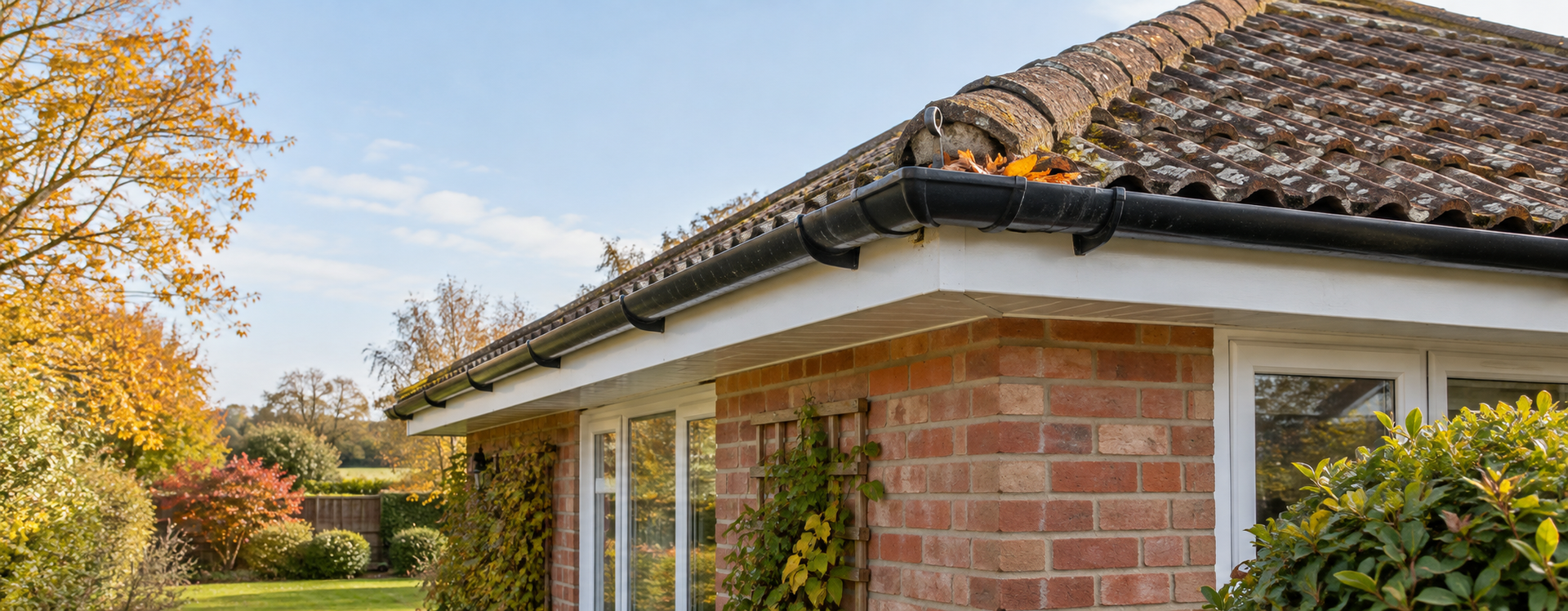
Both can look similar from the pavement. The difference matters underneath, where the condition of the timber and fixing points determines which work is suitable.
What does full replacement involve?
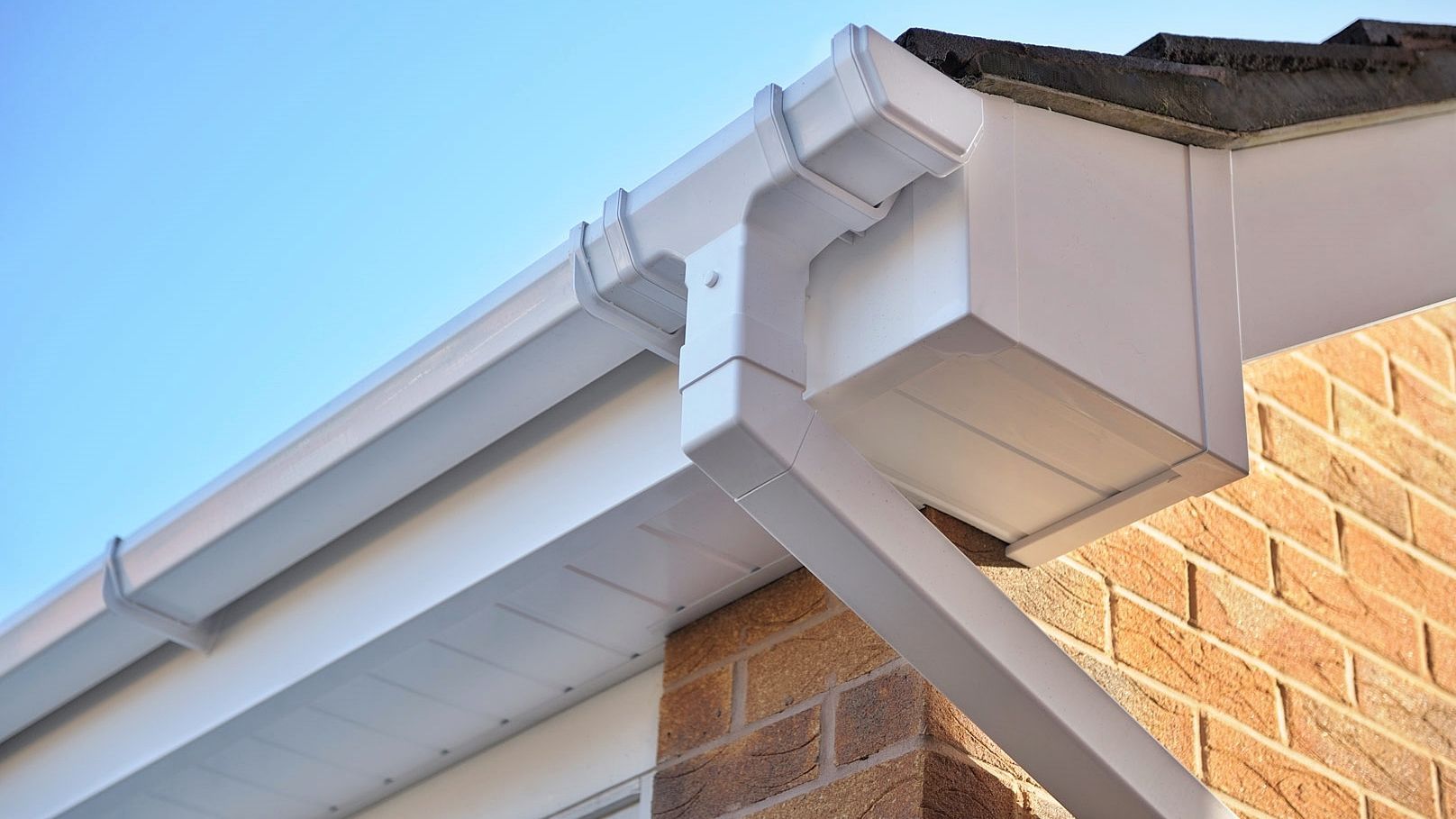
The existing fascia is removed and a replacement board installed. Eurocell offers 18mm uPVC fascias designed for direct fixing to suitable rafter ends.
Removing old boards allows the supporting timber and surrounding details to be assessed. Any deterioration still needs addressing: a new fascia cannot make an unsound fixing point secure by itself.
What does capping involve?
Eurocell's 9mm capping boards form a new outer covering over suitable, sound backing. They are not a standalone structural substitute for a replacement fascia.
Capping should never be used simply to hide rotten timber. Its suitability depends on the backing and the manufacturer's fitting requirements, not just whether the existing board can be covered neatly.
Peeling paint alone does not mean the timber has failed, and a tidy painted surface cannot confirm that everything behind it is sound. Ask what has been inspected and whether any areas remain concealed.
How do you compare the quotations?
Put the descriptions of the work side by side and ask:
- Which existing boards will be removed, and which will remain?
- What preparation and timber checks are included?
- Are gutters, soffits, corner pieces and joints included?
- How will the roof's ventilation be maintained?
- Are access equipment, removal and disposal included?
- What happens if concealed damage is found?
Concealed damage is worth discussing early. Ask how any deterioration found during removal would be shown to you, how extra work would be priced and when your agreement would be sought. This avoids having to make those arrangements once the boards are off.
A lower price may cover less work. Check what will remain in place and why the proposed approach suits its condition. A clear quotation should help you understand that choice without needing to know the product catalogue.
Do Suffolk properties need planning checks?
Routine fascia and soffit replacement generally does not require planning permission. Listed buildings and properties affected by local restrictions need more care, particularly when changing material or decorative detail.
For a property in Hadleigh, Sudbury or Lavenham, Babergh's planning team is the relevant starting point. Elsewhere, contact the district or borough planning authority covering the address. Conservation-area designation does not make every repair subject to permission, but an Article 4 direction or a planning condition can affect particular changes.
Listed building consent is separate. Do not assume that replacing traditional timber with uPVC is acceptable simply because the colour will remain the same.
Ask before choosing a specification
Suffolk Roofline supplies and fits Eurocell products through our fascia and soffit service. Contact Darren with your postcode and photographs of the existing boards. You can discuss the options before deciding which work to request.