uPVC or Fibre Cement Cladding: Which Is Right for Your Suffolk Property?
Compare materials, finishes and practical considerations before choosing exterior cladding for your home.
Quick Answer
uPVC cladding is a lightweight, low-maintenance option for refreshing exterior walls. Fibre cement cladding offers a durable weatherboard appearance, with finishes depending on the chosen range. The right choice depends on your property, preferred appearance, budget and installation requirements.
What Is the Difference?
Both materials can replace tired timber cladding or create a new feature on a frontage, gable or extension. However, their profiles, finishes and fitting requirements differ.
Eurocell uPVC Cladding
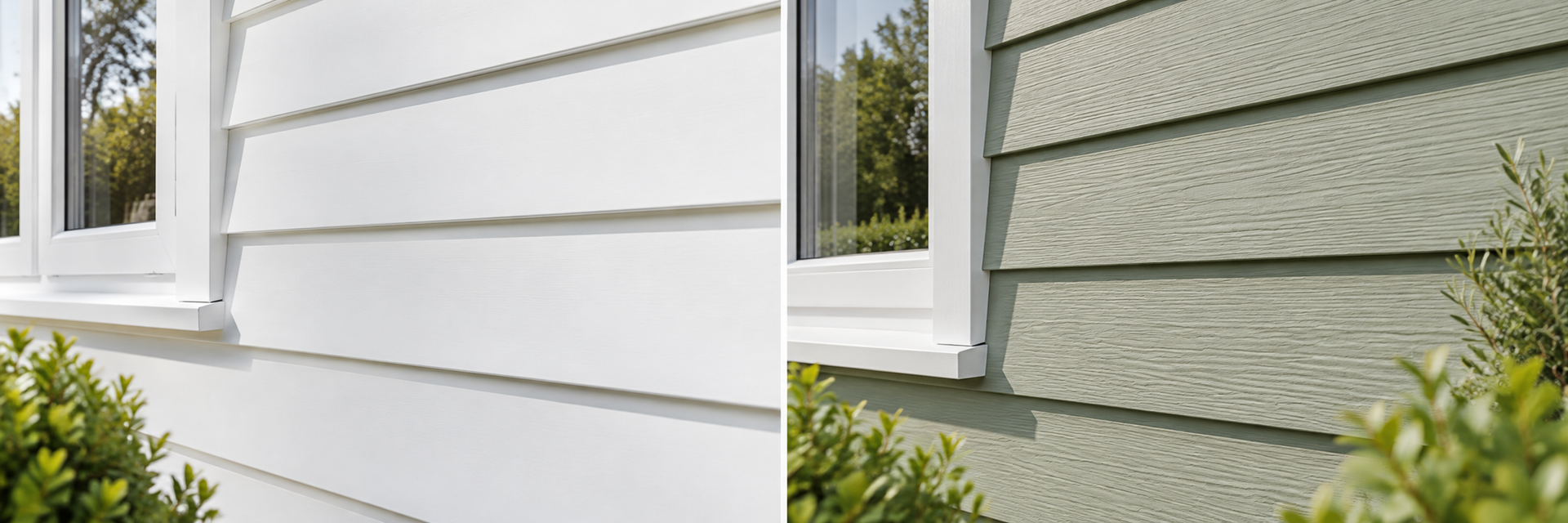
uPVC is a practical choice if you want a neat exterior without regular painting or staining. Eurocell offers Shiplap and Open-V profiles, with plain and woodgrain finishes.
Examples include 5-metre Shiplap boards in a 150mm profile and 5-metre Open-V boards in a 100mm profile. Standard Shiplap is intended for horizontal fitting, while Eurocell identifies Open-V as an option for vertical installation. Always follow the selected profile’s installation guidance.
Explore the Eurocell uPVC cladding range to compare styles and finishes.
Fibre Cement Cladding
Fibre cement cladding combines a weatherboard appearance with a durable, low-maintenance exterior. Colours, textures and finishes vary by range, so choosing suitable boards starts with the look you want and your property’s requirements.
Board sizes, installation requirements and warranty terms depend on the selected product. Any warranty should be checked for its coverage and conditions, rather than treated as the product’s expected service life.
We can discuss suitable options and confirm product details before installation.
Which Appearance Suits Your Property?
Start with the features that will remain: brickwork, roof tiles, windows and doors. A sample viewed outside is more useful than choosing a colour from a screen alone.
A timber-effect finish can introduce texture, while a smooth surface gives a simpler appearance. Consider the board direction, corner trims and detailing around windows as well as the colour.
You do not need to clad the whole building. A carefully chosen gable or upper-storey section can change its appearance without covering every elevation.
Will Cladding Make the House Warmer?
Cladding should not be treated as a substitute for insulation. Thermal improvements depend on the wider wall construction, including any insulation and associated detailing, rather than the exterior boards alone.
If improving warmth is a priority, discuss this before the installation is specified.
Compare the Complete Installation
Choose by appearance and suitability, then compare the full installed price. Include access, removal, supporting timbers, trims and repairs—not just the boards.
For listed buildings or properties in conservation areas, check the planning requirements before choosing a different material or finish.
Help Choosing Exterior Cladding in Suffolk
Suffolk Roofline installs Eurocell uPVC and high-quality fibre cement cladding across Suffolk. We consider your project, aims and any property restrictions before recommending suitable cladding types, profiles and finishes.
If improving warmth is a priority, let us know. Cladding alone is not a substitute for insulation; thermal improvements depend on the wider wall construction, insulation and detailing.
Send your postcode and photographs of the area you would like to improve, and Darren and the team can help you compare the options.
Explore our exterior cladding services, or call 07904 575 256 to discuss your project.
Further Reading